Description
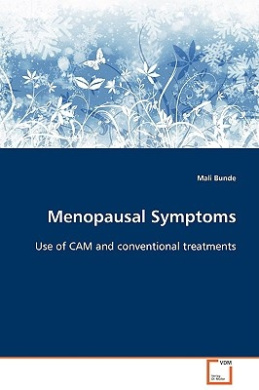
The aim of this study was to examine the effectiveness of a model of women’s decision-making regarding menopausal symptoms. The publication of results from the Women’s Health Initiative (WHI) and the rising popularity of complementary and alternative medicine (CAM) make this an interesting time to examine women’s increasingly complex decision-making process. Existing models of health behavior suggest factors that may be considered in women’s decisions regarding management of menopausal symptoms. The current project used survey methodology to test the effectiveness of a proposed model of menopausal symptom decision-making in two groups of women: (a) women who recently had a hysterectomy with bilateral oophorectomy and (b) community women who experienced natural menopause. Symptom severity, common sense beliefs, and social influence were all found to play a significant role in women’s decision-making process. These preliminary findings represent empirical and conceptual progress in the understanding of these decisions, and lay the groundwork for future research in the realm of menopausal decision- making. Health Psychologist Mali Bunde graduated from St. Olaf College and received her PhD from the University of Iowa. She is the author or co-author of numerous publications in the areas of social support, close relationships, and women’s health. She currently works for CIGNA Health Solutions in Eden Prairie, MN.